
Why Controlling Children’s Use of Social Media Matters
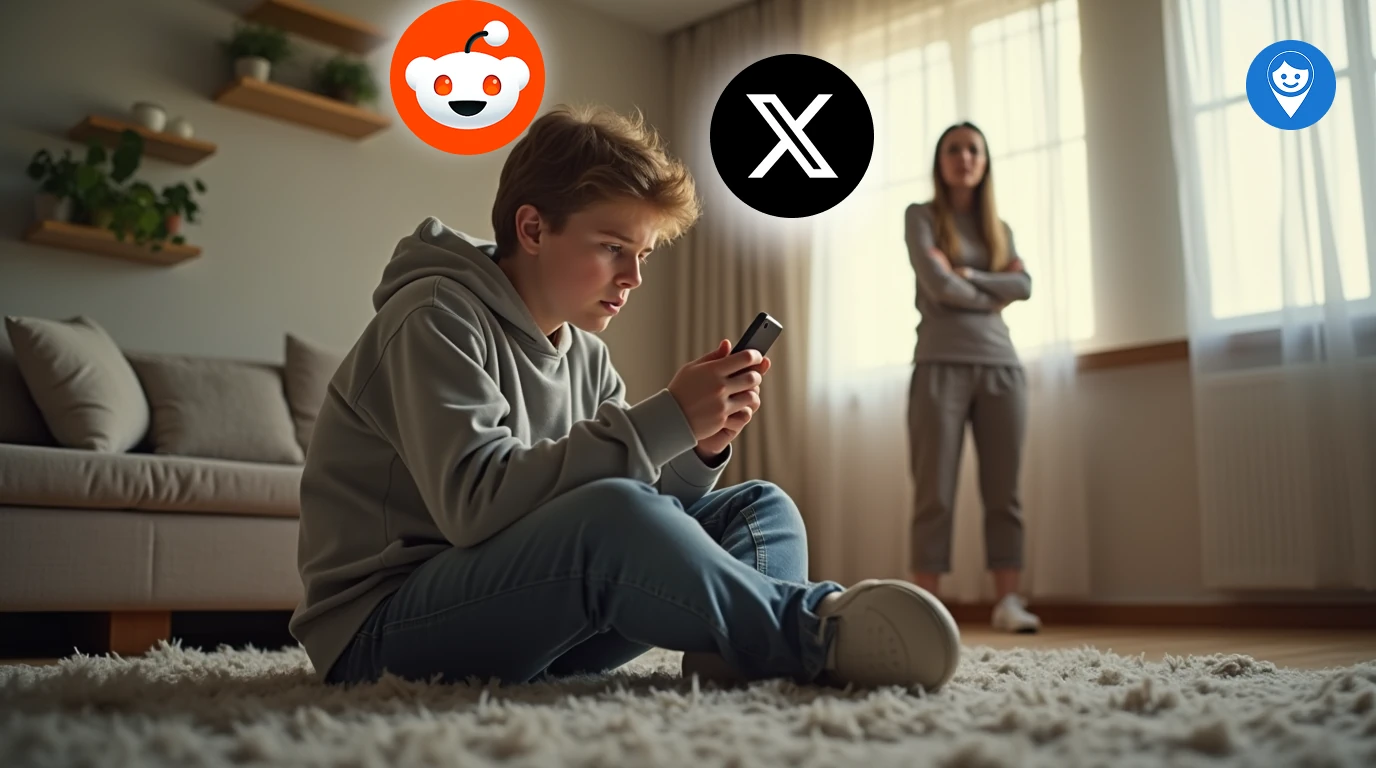
Social media has become a central part of many children’s daily lives. They use it to chat with friends, watch videos, play games, and even learn new skills. But along with these opportunities come real risks: exposure to inappropriate content, online bullying, screen addiction, and reduced focus on real-world activities. Control children’s use of social media is not about blocking everything; it’s about finding balance. A balanced approach helps protect their safety while allowing them to benefit from the positive aspects of digital spaces. Without guidance, algorithms and peer pressure will shape what children see and how they behave, often in ways parents never intended.
Analyzing Digital Behavior
-
Why Quality’s Matters More Than Quantity
Measuring only screen time doesn’t reveal the full story. A child spending three hours learning a new language online is in a very different situation from another child spending the same three hours watching random, unfiltered videos. For effective control of children’s use of social media, parents need to look deeper at *what kind of content* their child engages with, not just how long they’re online.
-
Smart Tools Like Pinardin
Platforms such as Pinardin give parents more than just numbers. They track the type of content consumed, identify the times of day when the child is most active, and highlight sudden behavioral changes that may signal peer pressure or exposure to harmful material. This data helps parents make decisions based on real insight instead of guesswork.
Managing Time and Creating Healthy Routines
-
Identifying Peak Usage Times
Most children have predictable “peak” times when they’re online the most. For some it’s after school, for others it’s late at night. Recognizing these patterns allows parents to design smarter schedules. For example, if evenings are the most active period, parents can introduce calm, offline activities like reading, board games, or family conversations. Pinardin provides clear reports to help parents identify these peak hours.
-
Cognitive Rest Cycles
The brain needs breaks. Extended screen time reduces focus and memory retention. A healthy cycle might look like 45 minutes of online activity followed by 10 minutes of rest. Pinardin can automate these reminders, teaching children to pace themselves and form sustainable digital habits.
-
Offering Attractive Alternatives
Restrictions alone rarely work. Children resist when they feel something is being taken away without replacement. That’s why control of children’s use of social media should always be paired with engaging offline alternatives: sports, creative hobbies, or family projects. When children see enjoyable options, they’re less likely to fight restrictions.
Honest Conversations Build Trust
-
Dialogue Over Command
When rules are handed down without explanation, children often push back. They may try to hide their activity or find ways around restrictions. Open dialogue changes the dynamic. Parents who explain why a rule exists and involve their child in decisions are far more successful. Control children’s use of social media becomes a shared responsibility instead of a power struggle.
-
Reviewing Reports Together
One effective approach is sitting with your child to review Pinardin’s usage reports. Together you can see which activities were beneficial and which ones raised concerns. This process encourages children to reflect on their own choices and understand the reasoning behind rules, making them more likely to cooperate.
Building Digital Literacy
-
Understanding Algorithms
Children should learn why certain videos, posts, or ads repeatedly appear in their feed. Recognizing how algorithms shape attention helps them become more critical and less influenced by manipulative content.
-
Spotting Fake News and Hidden Ads
Misinformation and covert advertising are everywhere online. Teaching children how to evaluate sources and verify facts is essential. Pinardin can support this process by showing real examples of fake or misleading content, turning abstract lessons into practical exercises.
-
Critical Thinking Practice
Encouraging children to analyze what they watch—discussing a video together, asking what message it conveys, and whether it’s trustworthy—strengthens their critical thinking. This skill is one of the most powerful defenses in controlling children’s use of social media.

Protecting Mental and Physical Health
Excessive screen time affects more than grades. It disrupts sleep, raises anxiety levels, and can even lower self-esteem through constant comparison with others online. Children who stay up late scrolling often struggle with concentration the next day. Parents need to watch for mood swings, withdrawal from real-world activities, or sudden declines in academic performance. With Pinardin’s behavioral reports, families can spot these red flags early and act before problems escalate.
The Role of Schools and Communities
Schools can take an active role by integrating media literacy into the curriculum. Group projects analyzing online content, or lessons on identifying misinformation, prepare children for safer digital engagement. Communities can help by creating awareness campaigns and ensuring regulations support safer online environments. Control children’s use of social media becomes far more effective when schools, parents, and communities work together.
Dealing With Emerging Platforms
One of the biggest challenges parents face is children moving to new social platforms they don’t even know exist. These new spaces often lack strong content moderation. That’s where Pinardin adds value: it detects when a child shifts from one platform to another and alerts parents. Knowing when a “digital migration” happens gives families a chance to discuss it and set healthy boundaries before problems arise.
Creating a Family Digital Policy
- Set clear and consistent rules so children know what to expect.
- Review policies regularly, since children’s needs change as they grow.
- Use technology like Pinardin to enforce rules and monitor real behavior.
- Provide engaging alternatives to ensure restrictions don’t feel like punishment.
Final Thoughts
Controlling children’s use of social media isn’t about total restriction. It’s about balance, guidance, and equipping children with the skills they need to navigate digital spaces responsibly. Parents who combine behavioral analysis, structured time management, open conversations, and digital literacy training are far more likely to succeed. Tools like Pinardin can make this process easier and more reliable. Above all, children need to feel that parents are partners in their digital journey, not just enforcers of rules. When families take this approach, children stay safe while still benefiting from the many opportunities social media has to offer.