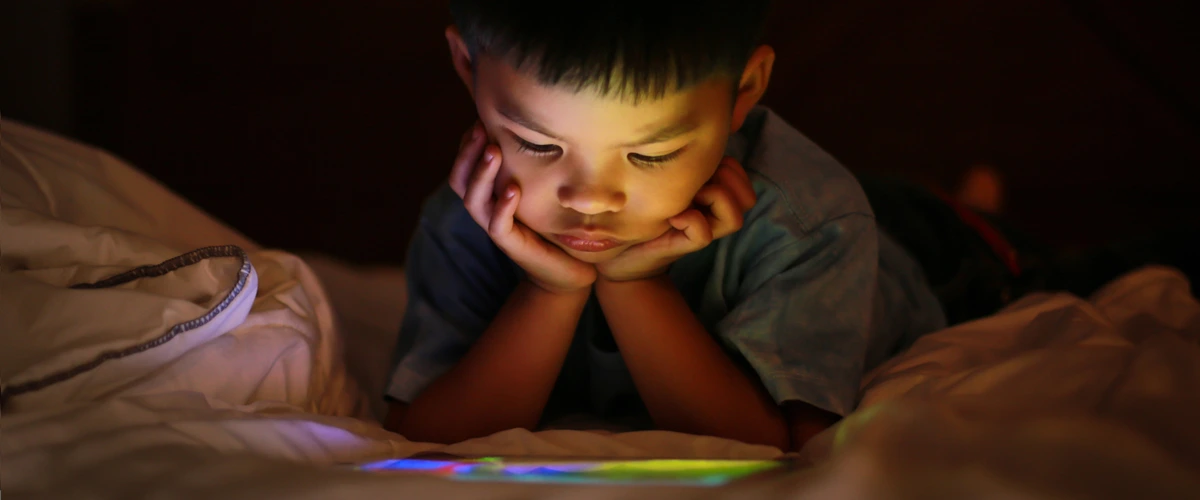

Why Monitoring Children’s Phones Has Become a Smart Necessity
In a world where smartphones have become an inseparable part of children’s and teenagers’ lives, monitoring children’s phones is no longer an optional choice it is a conscious necessity for responsible parents. Social networks, messaging apps, online games, and unlimited internet access introduce both opportunities and threats into children’s daily lives at the same time.
The main challenge is this: How can parents ensure their child’s digital safety without invading privacy or physically checking the phone? This article is written exactly for that purpose: presenting indirect, professional, ethical, and effective methods for monitoring children’s phones without creating conflict, distrust, or psychological harm.
What Does Monitoring Children’s Phones Without Direct Access Mean?
A Practical and Accurate Definition
Monitoring children’s phones without direct access means that parents:
- Do not physically take the phone
- Do not manually read messages
- Do not obtain passwords without the child’s consent
But at the same time:
- Analyze digital behavior patterns
- Identify potential risks
- Maintain intelligent and structured supervision
This approach is modern, science-based, and recommended by digital parenting specialists.
Why Traditional Methods of Monitoring Children’s Phones Are No Longer Effective
1. Loss of Trust
Direct and intrusive control causes children to:
- Learn how to hide behavior
- Develop skills to bypass parental supervision
2. Increased Stress and Resistance
Teenagers who feel excessive surveillance often react defensively.
3. Ineffectiveness Against New Technologies
Today:
- Hidden applications
- Secondary accounts
- Self-destructing messages
have made manual phone checks nearly useless.
Smart Solutions for Monitoring Children’s Phones Without Direct Intervention
Below are methods that are realistic, practical, and proven.
1. Analyzing a Child’s Digital Behavior Patterns
Warning Signs That Should Be Taken Seriously
Even without seeing the phone, many issues can be detected:
- Sudden changes in sleep patterns
- Unusual isolation
- Anxiety after phone usage
- Anger when internet access is limited
These indicators represent the most basic level of indirect monitoring of children’s phones.
2. Using Intelligent Reports Instead of Spying
The Difference Between Smart Supervision and Secret Monitoring
Healthy supervision is:
- Data-driven
- Free from reading personal content
- Focused on risk, not curiosity
At this stage, specialized tools play a critical role.
3. The Role of the Pinardin App in Monitoring Children’s Phones
Why Only Pinardin?
Among available solutions, the Pinardin app is designed with a focus on security, transparency, and digital parenting, not excessive control.
Key Features of Pinardin
- Analysis of digital behavior without direct access
- Smart reporting of usage patterns
- Intelligent alerts in high-risk situations
- Protection of the child’s privacy
Pinardin helps parents monitor children’s phones ethically and effectively, without violating trust.
4. Monitoring Children’s Phones Through Screen Time Management
Why Screen Time Matters More Than Content
Research shows:
- Excessive usage time is more harmful than content type
- Digital addiction develops gradually and invisibly
Smart Time-Based Monitoring
With tools like Pinardin:
- Usage patterns are identified
- High-risk time periods are detected
- Behavioral correction happens without sudden restrictions
5. Identifying Hidden Risks Without Reading Messages
What Risks Can Be Detected?
- Communication with unknown individuals
- Abnormal usage of specific applications
- Sudden changes in digital habits
This level of monitoring children’s phones is fully professional and ethical.
6. Purposeful Dialogue as a Complement to Digital Supervision
Conversation Is Not a Replacement for Monitoring It Is a Complement
When parents have data:
- Conversations become more precise
- Judgment is replaced by analysis
Pinardin enables parents to have constructive discussions without accusation.
7. Monitoring Children’s Phones While Preserving Psychological Independence
The Fine Line Between Control and Support
The ultimate goal is:
- Raising independent children
- Not children dependent on control
Indirect supervision helps children:
- Become responsible
- Make conscious choices
- Learn digital safety principles
Common Mistakes Parents Make When Monitoring Children’s Phones
- Secret surveillance
- Threatening to confiscate the phone
- Comparing the child to others
- Complete neglect
All of these approaches lead to negative outcomes.
Why the Future of Digital Parenting Is Impossible Without Smart Tools
The online world:
- Evolves faster than traditional education
- Contains increasingly complex threats
Tools like Pinardin serve as a bridge between:
- Parental awareness
- Children’s freedom
Monitoring children’s phones Smart, Not Strict
Monitoring children’s phones, when it is:
- Indirect
- Data-based
- Respectful of privacy
is not harmful at all in fact, it becomes a source of growth, safety, and trust. The Pinardin app, with its scientific and human-centered approach, makes this path easier for parents a path where supervision turns into awareness, and control becomes support.