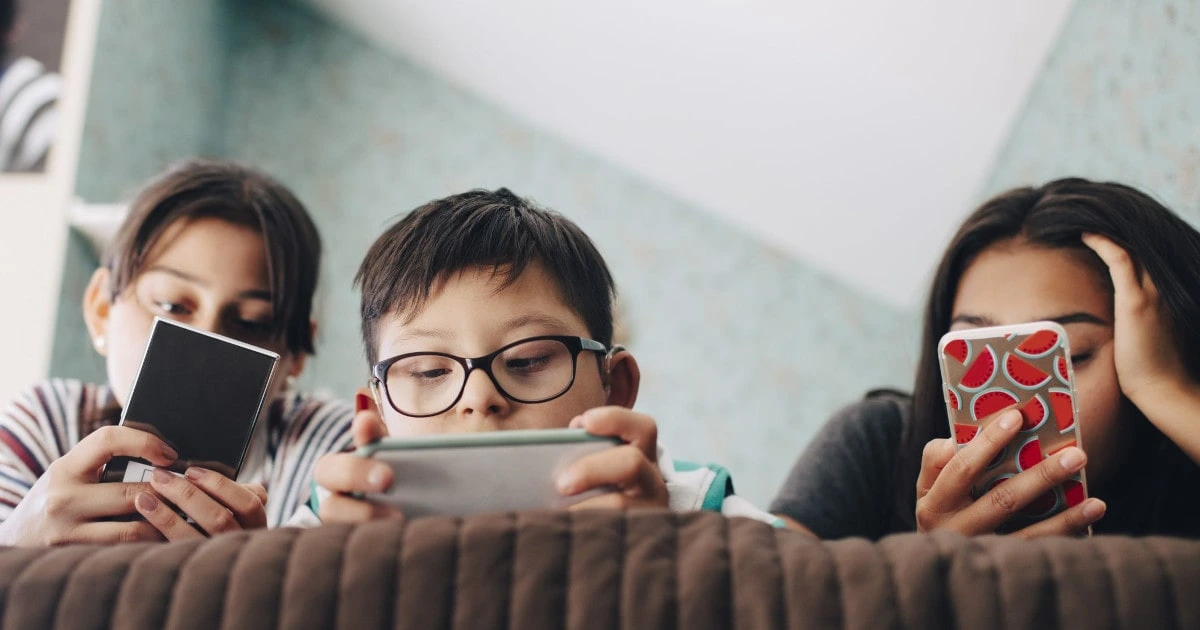

Increasing studies are being conducted to understand the impact of children’s use of social media on their mental and digital health. As the time children spend on these platforms increases, genuine concerns arise regarding their effects on mental health, attention span, and the potential for addiction to these platforms in developing minds.
Concerns and Challenges
Dangerous challenges are spreading across these platforms, and with the transfer of peer pressure to the digital world, there is growing concern that children may imitate dangerous or irresponsible behaviors they see online. Since the beginning of 2022, over 20 deaths have been linked to dangerous challenges on TikTok, highlighting the urgent need to protect children from these risks.
These concerns have led to the proposal of legislative projects in the United States and other countries. In signing the laws of Utah, Governor Spencer Cox referred to studies linking excessive social media use to an increase in mental health issues. The governor hopes these laws will help reduce the risk of addiction, protect children, and hold platforms accountable for any psychological, physical, or financial harm they may cause.
International Restrictions
Countries and regions around the world are also taking steps to limit children’s access to social media, especially in Europe.
– United Kingdom: The Online Safety Act came into effect in late 2023, aiming to protect minors and hold tech companies accountable for harmful content that children may encounter on platforms.
– France: In June 2023, a new law was passed requiring parents to consent for their children under 15 to access social media and allowing them to request the suspension of their children’s accounts. Platforms are also required to provide tools to track the time children spend on them.
Impact of Laws on Social Media Companies
Under these laws, companies are required to verify the ages of underage users, although the laws do not specify how this should be implemented. To date, companies have relied solely on the honesty of children when entering their ages, which is widely recognized as ineffective.
Additionally, social media companies will be prohibited from collecting data on children and displaying targeted advertisements to them. This means that major companies like Instagram, TikTok, and Facebook will have to adjust their advertising mechanisms. For example, TikTok currently does not display ads to those under 13, but teenagers aged 13 are still exposed to advertisements, which must change under the new laws.
However, some point to legal issues, such as the right to privacy, access to information, and freedom of expression. In some cases, children may not be able to access platforms due to a lack of identification. In Arkansas, a similar law was blocked by a federal judge after being deemed unconstitutional.
How to Protect Children on Social Media
With increasing discussions about the safety of children online, many parents are looking for ways to maintain their children’s digital security, whether new laws are enacted or not.
Despite the challenges, teenagers can benefit from the positive aspects of the digital space. Therefore, it is essential for parents and children to work together to create a safe online environment through awareness, dialogue, and the use of appropriate tools.
Here are some steps to protect your children on social media:
1. Encourage Positive Content
Encourage your children to follow positive content that makes them feel good and boosts their self-esteem.
2. Awareness of Time
Teach them to be more aware of the time they spend on platforms and the type of content they consume.
3. Device-Free Times
Set device-free times at home. This can be done manually or through tools like Pinardin, which restricts usage during certain hours.
4. Family Digital Agreements
Establish clear boundaries and family digital agreements that define what is acceptable and what is not. It’s a good idea to review these agreements as the child grows and to continue the conversation regularly.
The Future of Digital Restrictions
It is expected that legal models similar to those in Utah, France, and the UK will be adopted in other countries and regions.
Attorney Lucretia Berto, a specialist in children’s privacy, says, “The future of restrictions depends on achieving a balance between the child’s rights to privacy and independence and the rights and responsibilities of parents in protection and education.”
In the European Union, the General Data Protection Regulation (GDPR) sets the age of 16 for independent consent to data processing, but some countries like Spain have lowered this age to 14. Additionally, children’s rights to privacy from their parents are also protected, meaning parental monitoring of their children may be legally limited in some cases.
A New Era of Digital Laws for Children
Governments are striving to make the online environment safer for children, and parents are demanding more oversight of what their children are exposed to online, whether in social media or digital games.
Berto points out that the UK Information Commissioner’s Office (ICO) has asked gaming companies to implement stronger protections for minors’ data and to halt automated profiling features through guidelines for game developers and general platform guidelines.
Conclusion
While change may take time, new legislative projects are expected to be enacted in the coming years in an effort to balance digital and real-life experiences while enhancing children’s mental health. Until then, it is crucial for parents to continue the dialogue with their children and use digital tools like Pinardin to protect them while exploring the digital world.