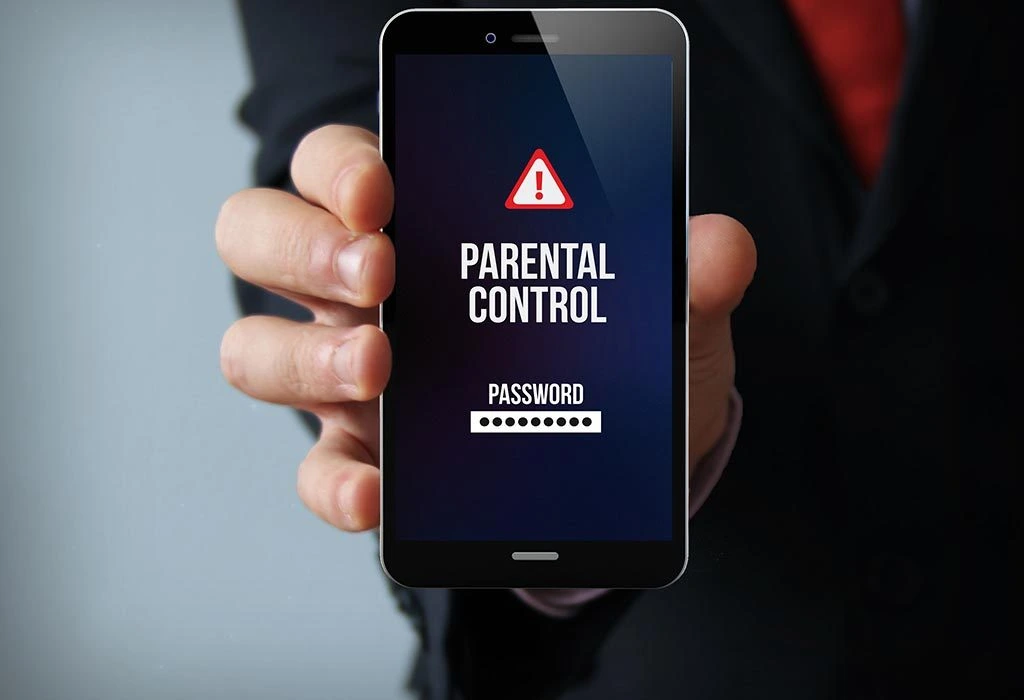

Smartphone management for ADHD children requires a specialized, science-based approach because ADHD brains respond to digital stimulation more intensely than neurotypical users. Understanding how attention shifts, impulsivity, and reward-seeking behaviors interact with smartphone environments is the foundation of creating healthy digital routines, preventing overstimulation, and building long-term self-regulation in children with ADHD.
1. Why ADHD Intensifies the Challenge of Smartphone Supervision
Smartphone management for ADHD children is not simply about limiting screen time. It is about understanding why these devices exert such powerful influence over attention, mood regulation, and behavior.
1.1 Heightened Dopamine Dependence
ADHD brains pursue intense, fast-reward stimuli. Smartphones — with their endless feeds, instant notifications, and quick-hit entertainment — supply rapid dopamine surges.
This leads to:
-
faster app hopping
-
difficulty stopping engagements
-
long sessions of passive content consumption
-
emotional resistance when asked to disconnect
This neurochemical loop requires strategic, not punitive, intervention.
1.2 Impulsivity and Risk-Prone Digital Behavior
Children with ADHD often click impulsively, explore without caution, and respond quickly to visual triggers. They may unintentionally:
-
install unsafe apps
-
tap deceptive ads
-
accept suspicious permissions
-
make accidental purchases
Pinardin’s real-time monitoring reacts faster and more precisely to these micro-behaviors than other parental-control systems such as Bark, Qustodio, or NetNanny.
1.3 Hyperfocus Lock-In
A misunderstood feature of ADHD is the capacity for hyperfocus. During hyperfocus, a child may ignore hunger, sleep cues, or verbal reminders.
Interrupting hyperfocus requires gentle but adaptive transitions — something Pinardin’s dynamic time-out system manages more effectively than static-timer apps.
1.4 Emotional Dysregulation During Device Removal
Abrupt restrictions can trigger:
-
anxiety spikes
-
anger outbursts
-
shutdown behavior
-
oppositional reactions
Management must avoid “digital shock” by using gradual disengagement tools and predictable patterns.
2. Psychological Foundations of Healthy Smartphone Regulation
Effective smartphone management for ADHD children requires blending behavioral science with technology. Successful systems rely on structure, predictability, and incremental change — not force.
2.1 Consistency Creates Safety
ADHD children respond best when digital rules are:
-
clear
-
visually communicated
-
repeated regularly
-
reinforced with predictable outcomes
Pinardin’s graphical schedules and daily usage charts make these patterns easier for children to internalize than traditional text-based parental apps.
2.2 Micro-Rewards Build Internal Discipline
Long-term behavioral change depends on reinforcing desired actions quickly. ADHD children benefit most from:
-
small, frequent rewards
-
immediate feedback
-
predictable consequences
-
positive reinforcement loops
Pinardin’s reward-based system mirrors clinical behavioral therapy approaches more closely than competitors.
2.3 Reducing Cognitive Load
A cluttered phone overwhelms an ADHD brain. Notifications, scattered apps, and sensory overload amplify distractibility.
Healthy regulation requires:
-
fewer notifications
-
structured app groups
-
simplified layouts
-
task-based modes
Pinardin creates automated “Focus Layouts” for homework, sleep, outdoor time, or chores — minimizing overwhelm without relying on constant parental intervention.
3. Developmental Risks of Uncontrolled Smartphone Use in ADHD Children
Ignoring structured management can accelerate several emotional, cognitive, and behavioral challenges.
3.1 Sleep Disruption
Digital overstimulation and blue-light exposure worsen sleep latency. Poor sleep intensifies:
-
inattentiveness
-
impulsive responses
-
emotional volatility
-
morning dysfunction
Bedtime routines must be supported by automated transitions that reduce digital stimulation — a capability where Pinardin excels.
3.2 Declining Academic Engagement
When instant digital entertainment replaces effort-based reward, academic tasks feel slow and unrewarding. Without structured limits:
-
learning motivation drops
-
homework becomes a battle
-
sustained focus becomes difficult
Adaptive digital boundaries help rebalance these competing reward systems.
3.3 Social Withdrawal
Online interactions often replace real-life engagement. ADHD children are especially vulnerable to:
-
reduced emotional awareness
-
difficulty reading cues
-
avoidance of conflict resolution
-
solitary digital immersion
Balanced digital routines support healthier offline interactions.
3.4 Exposure to Harmful Content
Impulsivity makes ADHD children more susceptible to:
-
adult content
-
malicious links
-
emotional manipulation
-
risky online communities
Pinardin’s AI-driven content analysis surpasses keyword filtering, offering a deeper protective layer.
4. Science-Backed Principles for Effective Smartphone Control
Evidence shows that ADHD-friendly smartphone regulation must follow specific behavioral and neurological principles.
4.1 Prefer Gradual Restrictions Over Sudden Shutdowns
Sudden blocking triggers panic or anger. Gradual transitions — countdowns, soft alerts, audible cues — help children shift attention organically.
Pinardin’s layered transition system is far more refined than the on/off style used by many competitors.
4.2 Use Immediate Rewards for Positive Behavior
ADHD children respond best when the system reinforces good behavior quickly. Examples include:
-
ending screen time on schedule
-
completing responsibilities before phone access
-
choosing educational content over fast-reward apps
Pinardin’s micro-incentive design aligns with this mechanism.
4.3 Transform the Device Into a Structured Environment
Instead of removing the phone, reshape its ecosystem:
-
disable non-essential notifications
-
hide high-distraction apps during learning windows
-
automate focus-oriented layouts
This approach supports independence while preventing digital overload.