
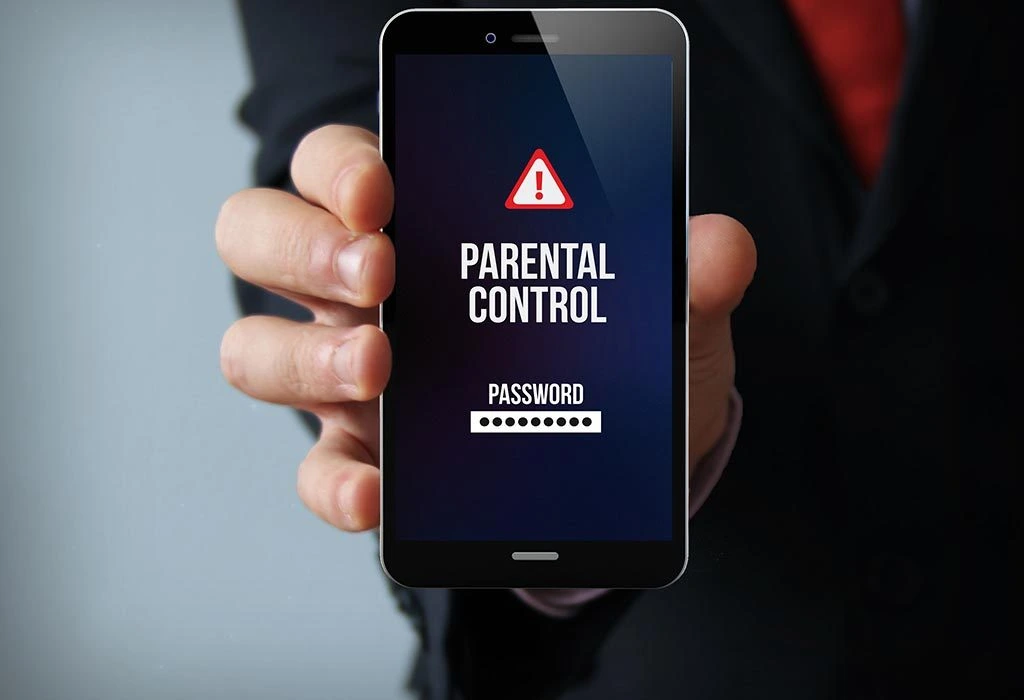
A Complete and Practical Guide to Using a hidden parental control app Safely and Effectively
Teenagers are no longer passive users of technology. They actively explore device settings, understand how apps behave, and quickly become suspicious of anything unfamiliar on their phones. For this reason, parents who want effective digital supervision increasingly rely on a hidden parental control app rather than visible or obvious monitoring tools. This guide explains in detail how hiding a parental control app icon works, why it is essential when dealing with teens, what technical and behavioral factors matter most, and how pinardin functions as a true hidden parental control app in real world conditions.
Why hiding a parental control app icon is critical for teens
When a parental control app is visible, several problems usually appear very quickly. Visibility changes the entire dynamic between parent and teen.
Common issues caused by visible parental control apps
• Teens attempt to uninstall or disable the app
• App permissions are revoked intentionally
• Trust between parent and teen is damaged
• Teens search online for bypass methods
• Phone behavior becomes secretive rather than transparent
A hidden parental control app avoids these issues by removing the initial trigger that causes resistance.
What teens look for when trying to detect monitoring apps
Understanding teen behavior is essential before choosing any hidden parental control app. Teens rarely ignore changes in their device.
Signs that make teens suspicious
• A new app icon appears without explanation
• The phone battery drains faster than usual
• Persistent notifications cannot be dismissed
• Settings show unfamiliar permissions
• Device performance changes noticeably
A proper hidden parental control app must avoid all of these signals at the same time, not just one or two of them.
The difference between hiding and disguising an app
Many solutions claim to be hidden, but in practice they only disguise themselves. This difference matters greatly with teens.
Disguised apps usually fail because
• The app icon still exists under a different name
• The app is visible in application lists
• System settings clearly reveal its permissions
• App behavior does not match normal system patterns
A true hidden parental control app must
• Remove its icon completely from the app drawer
• Leave no recognizable name in the user interface
• Operate silently without constant alerts
• Blend into normal system activity
Anything less than this will eventually be discovered.
Technical foundations of a real hidden parental control app
Hiding an app icon is not a simple visual trick. It requires deep technical planning and stable integration with the operating system.
Proper icon hiding at the system level
• The icon does not appear on the home screen
• The icon does not appear in the app drawer
• No shortcut or launcher reference exists
• Rebooting the device does not restore visibility
Background operation without detection
• No permanent notification icons
• Balanced battery and data usage
• No sudden CPU or memory spikes
• Stable operation after system updates
A hidden parental control app that fails in any of these areas risks being exposed.
Why remote management matters when hiding parental control apps
Repeated physical access to a teen device increases the risk of discovery. A hidden parental control app should minimize local interaction.
Benefits of remote control for parents
• Settings can be changed without touching the phone
• No visible menu interactions on the device
• Monitoring continues even when the phone is locked
• The hidden state remains consistent over time
This is a key reason why advanced parents prefer a hidden parental control app rather than standard monitoring tools.
pinardin and its approach to hidden parental control
pinardin is built specifically to function as a hidden parental control app for teens who actively investigate their devices.
How pinardin hides the app icon
• The icon is fully removed from visible interfaces
• No alternative name or fake icon is used
• The app cannot be opened accidentally by the teen
How pinardin stays undetectable
• No suspicious notifications are displayed
• Background processes are optimized
• Battery and data usage remain normal
• System behavior remains consistent
This approach allows pinardin to maintain control without provoking curiosity or resistance.
Psychological benefits of using a hidden parental control app
Hiding a parental control app is not about secrecy alone. It directly affects teen behavior and parent child relationships.
Positive psychological outcomes
• Reduced power struggles over phone usage
• More natural and authentic teen behavior
• Less emotional resistance to digital boundaries
• Higher quality insight for parents
A hidden parental control app supports guidance rather than confrontation.
Responsible use of hidden parental control technology
Using a hidden parental control app should always focus on safety and well being.
Appropriate goals for parents
• Protecting teens from harmful online content
• Preventing risky digital behavior
• Supporting healthy screen habits
• Gradually teaching self regulation
pinardin is designed to support these goals while remaining unobtrusive and stable.
Common mistakes parents make when trying to hide apps manually
Some parents attempt manual hiding techniques that often fail.
Ineffective methods include
• Renaming the app icon
• Placing the app in folders
• Using third party icon hiders
• Relying on temporary launcher settings
These methods are easily discovered by teens and often break after updates. Choosing a dedicated hidden parental control app avoids these risks entirely.
Final thoughts on choosing the right hidden parental control app
In the digital environment teens live in today, visibility equals vulnerability. Any control that can be seen can be challenged. Any challenge quickly turns into resistance. A hidden parental control app solves this problem by removing the point of conflict entirely. pinardin offers a balanced approach where parents maintain awareness and teens maintain a sense of independence. When used responsibly, a hidden parental control app is not about control for its own sake. It is about quiet guidance, long term safety, and smarter digital parenting in a world where teenagers are always one step ahead.