Controlling children’s sleepWe all know that a good night’s sleep is one of the best things we can do for our brain and body health. However, controlling children’s sleep has become increasingly challenging in today’s digital age. The American Academy of Pediatrics estimates that up to 50% of children and 40% of teenagers struggle with sleep problems. On the other hand, the Centers for Disease Control and Prevention (CDC) has reported that about 73% of teenagers do not get enough sleep overall! When children do not sleep enough, various issues can arise, including depression, inattention, behavioral problems, and disruptions in memory and learning. Therefore, effectively controlling children’s sleep is crucial for their overall well-being and development.
How Much Sleep Do Children Need?
The amount of sleep children need varies by age. The CDC recommends the following sleep durations for each age group:
– Infants: 14 to 17 hours
– Toddlers: 12 to 16 hours
– Preschoolers: 10 to 13 hours
– School-aged children: 9 to 12 hours
– Teenagers: 8 to 10 hours
– Adults: 7 hours and above
Why Do So Many Children and Teenagers Not Get Enough Sleep?
There are many reasons for insufficient sleep, but one of the most significant and damaging factors is the use of electronic devices. Excessive screen time can easily diminish sleep quality. The temptation of “just one more episode” of a show or “just one more scroll” through social media leads to later bedtimes. As a result, these devices effectively become barriers to adequate sleep for children. Thus, controlling children’s sleep is essential to combat these challenges.
Blue Light
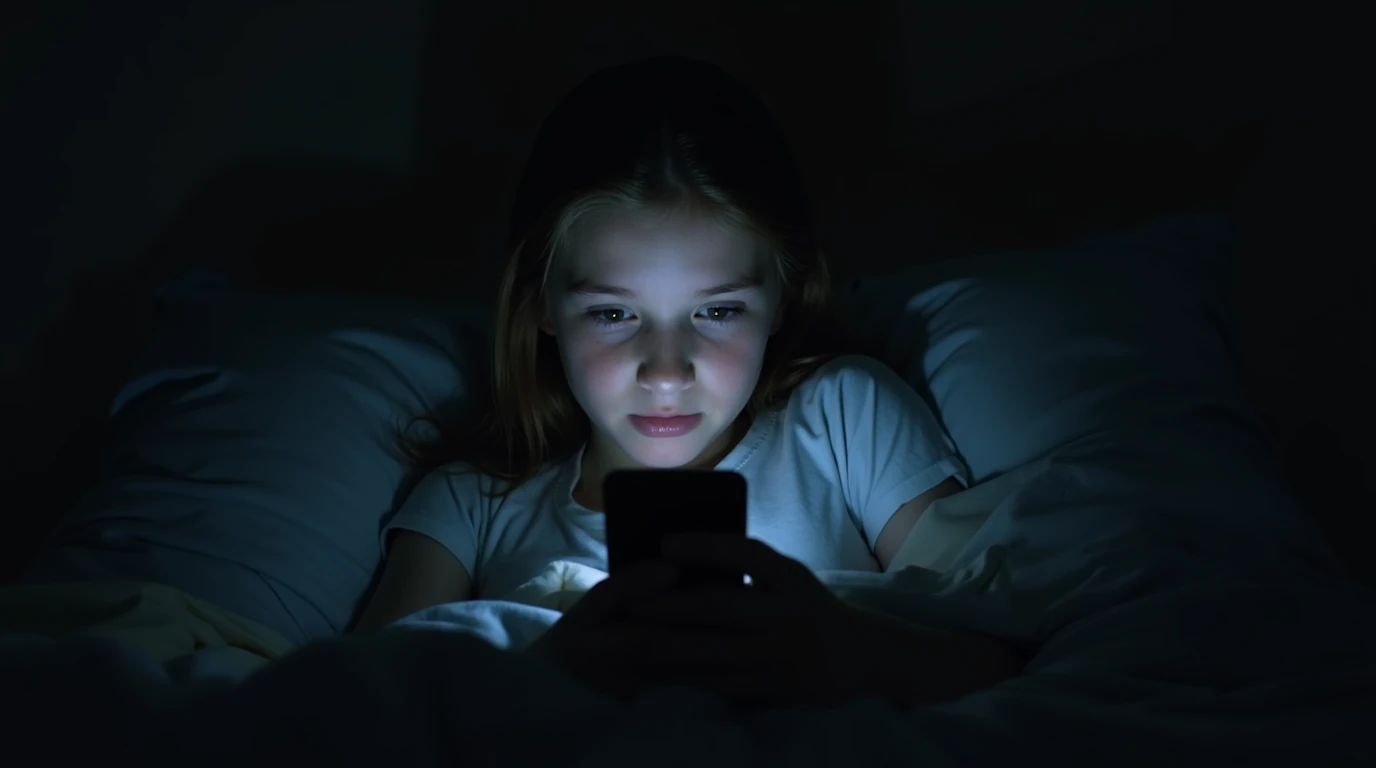
Unfortunately, using screens does not just reduce the amount of sleep; it also lowers its quality. Electronic devices emit blue light, which disrupts melatonin production and tricks the brain into thinking it is still daytime! Under normal circumstances, our bodies start producing melatonin when it gets dark to prepare for sleep; however, device usage interferes with this process. This means that even if your child goes to bed on time, if they were using their phone or tablet beforehand, the chances of them having a quality sleep are significantly reduced. Therefore, controlling children’s sleep by limiting screen time is vital.
Overstimulation
In addition to blue light, devices cause mental overstimulation. Whether it’s an exciting movie, an emotional conversation on social media, or a fast-paced video game, children’s brains become much more active than usual during and after these online activities, making it difficult for them to calm down and fall asleep. This overstimulation further complicates the task of controlling children’s sleep.
Interrupted Sleep
Another crucial aspect of nighttime sleep is that children need to have continuous and uninterrupted sleep. Especially for teenagers, phones and tablets act as alarms for sleep! Notifications from social media, games, or messages can cause them to wake up repeatedly. Many children even check their phones or games when they wake up in the middle of the night to go to the bathroom and then struggle to fall back asleep. These interruptions severely diminish sleep quality and reduce the overall duration of sleep. Hence, controlling children’s sleep becomes increasingly important.
Virtual Learning
As if all these problems weren’t enough, we now face the challenges of virtual learning: 7 hours a day, 5 days a week! Children have been forced to sit in front of screens for their classes, leading to issues such as eye strain and lack of physical activity. If screen time outside of school hours is not managed, this virtual learning can exacerbate the negative effects of device usage, making controlling children’s sleep even more critical.
4 Strategies for Controlling Children’s Sleep in the Digital Age
1. Keep Devices Out of the Bedroom at Night
One of the simplest things you can do is to establish a clear rule for bedtime: no devices should remain in children’s rooms at night. This eliminates the temptation to play games or browse social media and significantly reduces the chances of waking up in the middle of the night due to a notification. This practice is also crucial for safety, as many online incidents occur at night and can pose risks to children. I recommend using the Pinardin app in my clinic, which helps set time limits for device usage both during the day and at night, preventing harmful nighttime usage. By controlling children’s sleep in this manner, you can foster a healthier sleep environment.
2. Avoid Using Devices in Bed
A great habit is to turn children’s beds into a device-free zone. This helps their brains learn that beds are for sleeping! When children lie in bed during the day to check social media, their brains no longer associate the bed with sleep. This small change can significantly help them fall asleep more easily and is a key part of controlling children’s sleep.
3. Ensure Sufficient Physical Activity During the Day
Physical activity during the day is one of the best ways to promote a good night’s sleep. When children expend energy throughout the day, they tend to fall asleep more easily at night and wake up less frequently. Parents can encourage their children to be active during the day by planning sports and outdoor activities. This increase in physical activity greatly aids in controlling children’s sleep.
4. Disconnect from Screens at Least One Hour Before Bedtime
To reduce the effects of blue light and mental stimulation, it is crucial to put away devices at least one hour before bedtime. This downtime gives the brain a chance to relax and allows melatonin to be produced for better sleep. Parents can use the Pinardin app to set reminders for this screen-free time and help manage device usage effectively. This practice is essential for controlling children’s sleep and ensuring they get the rest they need.
Conclusion
Adequate sleep is essential for everyone, but in today’s digital age, controlling children’s sleep is even more critical. By implementing these simple strategies and utilizing tools like Pinardin, we can help our children achieve better sleep. Some families may need to take more serious steps, such as enforcing stricter rules or monitoring usage more closely.
By applying these strategies, you can help improve the quality of your children’s sleep and prevent sleep-related problems. Start implementing these tips today and see how much easier your children fall asleep at night! Controlling children’s sleep is not just a necessity; it is a vital component of their overall health and well-being.