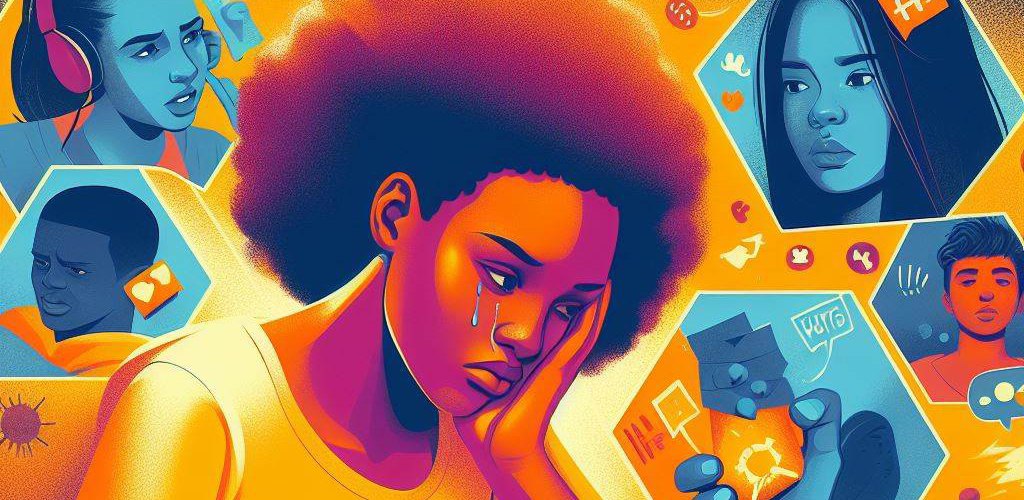

Protecting children in today’s digital environment requires far more than basic parental controls. With billions of pieces of content uploaded across platforms each month, harmful material can bypass even the strongest automated moderation systems. For parents, educators, and digital safety specialists, the question is no longer whether filtering is needed—it is how to build a filtering ecosystem that stays effective as platforms become more complex and more algorithm-driven.
A reliable content filter for children must work across platforms, anticipate risks, and provide real-time protection. This article explores why built-in filters fall short, what risks children face online, and why independent device-level filtering tools have become essential.
1. Why Built-In Filtering Systems Are No Longer Sufficient
The overwhelming volume of unreviewed content
YouTube alone processes hundreds of hours of video every minute. Google indexes more than a billion pages per day. No human moderation team or automated classifier can pre-screen such massive volumes. As a result, inappropriate content—or borderline content designed to escape detection—can appear in search results, suggested feeds, and autoplay chains.
Algorithmic gaps and manipulative techniques
Creators who want to bypass filters often use:
-
Misleading thumbnails
-
Altered keywords
-
Innocent-sounding titles
-
Embedded suggestive elements within children’s animations
This allows unsuitable content to look harmless to automated systems while still reaching young viewers. When filtered content is evaluated mainly through platform algorithms, exposure risks remain substantial.
2. What Makes Unfiltered Online Content Harmful to Children
1. Cognitive overload and emotional overstimulation
Fast-paced edits, chaotic animations, aggressive gaming clips, and high-intensity sounds can overstimulate developing brains. Long-term exposure may affect attention span, emotional regulation, and sleep patterns.
2. Behavioral imitation
Children naturally mimic behaviors they see online. Pranks, risky challenges, violent reactions, and inappropriate language can be perceived as socially acceptable—even when labeled as “entertainment.”
3. Unrealistic expectations and identity distortion
From influencer lifestyles to edited appearances, children encounter exaggerated versions of reality. Without safe content environments, these impressions shape their values, self-image, and beliefs about what is “normal.”
4. Hidden harmful categories
Some content appears harmless at first glance but includes:
-
Subtle sexual innuendos
-
Fear-based storytelling
-
Psychological manipulation
-
Misleading educational information
This complexity highlights the need for a content filter for children that evaluates context, not just keywords.
3. Categories of Content That Require Stronger Protection
Explicit or suggestive media
Animations or skits can include inappropriate gestures, dialogue, or implications that bypass platform labeling systems.
Violent or disturbing content
Jump-scare videos, horror gameplay, or extreme reactions remain widespread across YouTube and short-form platforms.
Dangerous challenges and viral trends
Even when flagged, many clips circulate widely before automated systems remove them.
Misinformation in educational videos
Children may encounter inaccurate science, conspiracy theories, or deceptive “facts” presented as learning materials.
Because these categories evolve quickly, parents need tools that adapt automatically to new risks.
4. Why Independent Filtering Apps Are More Reliable Than Default Settings
Cross-platform protection
Children move between apps constantly—YouTube, browsers, messaging apps, TikTok-style platforms, games, and search engines. Platform-based filters only work inside their own ecosystem, leaving significant gaps.
Real-time behavior analysis
Independent filtering tools evaluate:
-
Search patterns
-
App usage
-
Content categories
-
Viewing habits
They adjust restrictions dynamically instead of depending on a single platform’s moderation rules.
Device-level blocking
Filtering at the device level ensures:
-
Harmful videos cannot autoplay
-
Inappropriate search results are blocked
-
Apps with risky content categories are restricted
-
Private browsing modes do not bypass safety measures
This creates a unified content filter for children, regardless of which apps or websites they access.
5. Pinardin: A Dedicated Solution for Safe Content on Children’s Devices
Pinardin is an advanced content-restriction app built specifically to help parents protect children in a modern, multi-platform digital world. Instead of relying on inconsistent platform filters, it operates at the device level to deliver a stable and consistent safety framework.
Pinardin provides:
-
Intelligent filtering across apps, browsers, and video platforms
-
Real-time blocking of inappropriate content categories
-
Seamless coverage even in private browsing or third-party apps
-
A privacy-respecting monitoring system focused on safety rather than surveillance
For parents seeking dependable long-term protection, Pinardin brings clarity and control to an increasingly chaotic online environment. It represents a new generation of digital safety—one designed around actual child behavior, not just platform policies.
Conclusion: The Future of Child Safety Requires Smarter Filtering
The digital world is too large, too fast, and too dynamic for traditional platform filters to manage alone. Protecting children today requires advanced, adaptive, cross-platform solutions capable of understanding both content and context. With tools like Pinardin, families can finally establish a resilient and trustworthy content filter for children, ensuring healthier digital habits and safer online experiences.