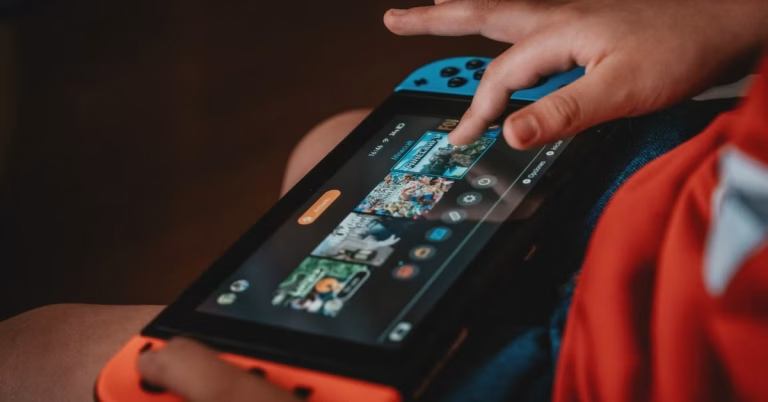
A child headache triggered by smartphone use is rarely caused by sheer screen time alone; visual habits, viewing distance, mental strain, ambient lighting, sleep disruptions, and even the type of digital content all play decisive roles. Pinpointing the actual culprit requires examining when the pain starts and identifying the physiological stressors present right before onset.
Primary Causes of a Child Headache Following Smartphone Use
1. Prolonged Near-Point Accommodation
When a child holds a device close to their eyes for extended periods, the ciliary muscles remain in sustained contraction to keep imagery sharp. This continuous accommodation generates digital eye strain, periorbital pain, transient visual blurring, and secondary tension headaches. If a child brings the screen unusually close, squints, or leans forward during smartphone use, the issue is not merely the duration of exposure. This behavior often points to an uncorrected refractive error, such as myopia or astigmatism, which multiplies the visual workload.
2. Reduced Blink Rate and Tear Film Breakup
Intense engagement in video games or fast-paced video streams drastically reduces spontaneous blinking. The corneal tear film evaporates faster, triggering ocular surface dryness, foreign-body sensations, hyperemic redness, and intermittent blurring. The visual cortex and extraocular muscles compensate with heightened effort, ultimately triggering a child headache. This pattern typically develops during continuous sessions and resolves following screen cessation, conscious blinking, or brief ocular rest.
3. Screen-to-Ambient Lighting Imbalance
A bright panel in a dark room or a dim display under harsh glare produces intense visual fatigue. The primary issue is not just blue spectrum emissions; it is the extreme luminance contrast that forces the pupil and visual pathways into continuous, erratic micro-adjustments. To reduce ocular and neural load:
- Match panel luminance directly with the ambient light level of the room.
- Eliminate nocturnal screen engagement in dark bedrooms.
- Angle the device to neutralize surface reflections from lamps or daylight windows.
- Enable warm-spectrum nighttime modes for physical comfort, without treating software toggles as an excuse to extend usage sessions.
4. High-Stimulus Gaming and Cognitive Overload
Fast-paced multiplayer games, endless scrolling, and sensory-dense short-form clips demand constant decision-making, hyper-focused attention, and rapid saccadic eye movements. Under these conditions, a child headache is frequently driven by sympathetic overarousal and central neural fatigue rather than photic exposure alone. When discomfort consistently follows competitive gaming, the content type is often the primary driver. Scaling back hyper-stimulating titles frequently yields faster relief than shaving a few minutes off passive viewing.
5. Forward Head Posture and Musculoskeletal Strain
Tilting the head downward to look at a handheld screen exerts tremendous mechanical leverage on the cervical spine and suboccipital musculature. This chronic contraction radiates pain across the neck, temples, and frontal region, presenting as a classic tension-type headache. Distinguishing characteristics of posture-driven headaches include:
- A steady, band-like tightening sensation rather than a vascular, throbbing pulse.
- Accompanying stiffness or tenderness in the trapezii and cervical muscles.
- Progressive escalation during prolonged static sitting.
- Marked relief following posture correction, stretching, or positional adjustments.
Handheld devices should be raised toward eye level to eliminate cervical flexion, and children should avoid prolonged viewing while lying flat on their stomachs or slumped over furniture.
Role of Pinardin in Mitigating Child Headaches
The Pinardin parental control app provides parents with a practical, systematic tool to turn screen-time boundaries into automated household routines. Through granular application scheduling, parents can enforce separate allocations for interactive games and passive video, while locking device access entirely during rest hours and bedtime. The functional objective of Pinardin is not clinical treatment; its purpose is to eliminate the behavioral triggers that initiate physical distress:
- Uninterrupted, marathon-length digital sessions.
- Stimulating gameplay immediately prior to sleep cycles.
- Compulsive re-engagement after agreed-upon limits expire.
- The inability of a child’s developing prefrontal cortex to terminate dopamine-rich tasks voluntarily.
- Fragmented, unpredictable daily screen habits.
When usage boundaries are consistently managed in the background, daily power struggles decline, and children naturally adjust to measured digital engagement. Pinardin delivers its highest value when combined with ergonomic adjustments, balanced ambient illumination, regular ocular breaks, and clinical oversight.
How to Determine If a Smartphone Is Causing the Headache
The most reliable diagnostic step is maintaining a symptom tracking log for several consecutive days. Parents should record the exact onset time, nature of digital interaction, session length, viewing distance, hydration, sleep quality, and pain severity. Look for these clear diagnostic indicators:
- Discomfort surfaces exclusively during or right after smartphone use.
- Pain recedes promptly after removing visual stimuli.
- Symptoms spike following nights of deficient or broken sleep.
- Co-occurring ocular fatigue, persistent rubbing, or transient diplopia.
- Headache follows uncorrected, ultra-close viewing distances.
- Photophobia, phonophobia, or nausea accompany the episode.
This structured baseline offers far greater diagnostic value to pediatricians and pediatric optometrists than an ambiguous complaint of general screen fatigue.
Practical, High-Impact Interventions
Divide Screen Exposure into Segmented Intervals
Continuous, unbroken usage sessions strain the neuro-visual system far more severely than segmented access broken by deliberate pauses. A genuine rest interval requires visual disengagement from all digital interfaces; swapping a phone for a tablet or television does not count as ocular rest. For a young person vulnerable to a screen-induced headache, split allowable screen allotments into predetermined intervals separated by active, non-digital activities.
Optimize Text Legibility and Reading Distance
When a child brings a display close to read, increase system font sizes immediately. Tiny typography compresses the viewing distance and multiplies accommodative demand. The display should sit comfortably below direct eye level at roughly 30 to 40 centimeters, positioned so the child maintains an upright head position without leaning forward.
Enforce Strict Boundaries Around Sleep Architecture
Sleep deprivation lowers central pain thresholds, impairing neural resilience against light, cognitive processing, and sustained focus. Late-night mobile engagement delays melatonin secretion, pushes back sleep onset, and raises the likelihood of a morning headache. Establish a non-negotiable device curfew well before bedtime, and store the hardware outside the child’s bedroom overnight. Relying on verbal reminders often creates unnecessary friction; structural and automated management is significantly more reliable.
When Does a Child Headache Require Clinical Evaluation?
When a child headache recurs systematically, worsens in intensity, or persists despite cutting back on smartphone use, an in-depth clinical evaluation is imperative. Immediate pediatric or ophthalmologic consultation is warranted under the following conditions:
- Squinting to resolve distant objects, such as a classroom board.
- Holding books, schoolwork, or screens unnaturally close to the face.
- Chronic eye pain, persistent blurriness, or sudden double vision.
- Symptoms interfering with school attendance, academic performance, or daily function.
- Morning onset accompanied by spontaneous vomiting or headaches that wake the child from sound sleep.
- Pain originating directly after a physical head injury or trauma.
- Neurological deficits, such as localized weakness, facial numbness, dysarthria, or altered mental status.
- The sudden onset of an explosive, unprecedentedly severe headache.
Relying on commercial screen filters, over-the-counter pain relievers, or lubricant eye drops without professional diagnosis is counterproductive. The true underlying etiology may stem from refractive visual disorders, pediatric migraine, chronic dehydration, circadian sleep disruption, or poor digital ergonomics.
Summary
Resolving a child headache linked to smartphone use begins with systematic observation: log symptom patterns, enforce viewing ergonomics, balance ambient lighting, and eliminate marathon sessions. If discomfort recurs persistently or presents alongside neurological or visual deficits, schedule an evaluation with a healthcare professional promptly. By setting structured usage intervals and reliable off-screen periods, Pinardin equips parents to transform unchecked device interaction into a regulated routine minimizing ocular strain, safeguarding restorative sleep, and preventing the recurring onset of a child headache in everyday digital life.