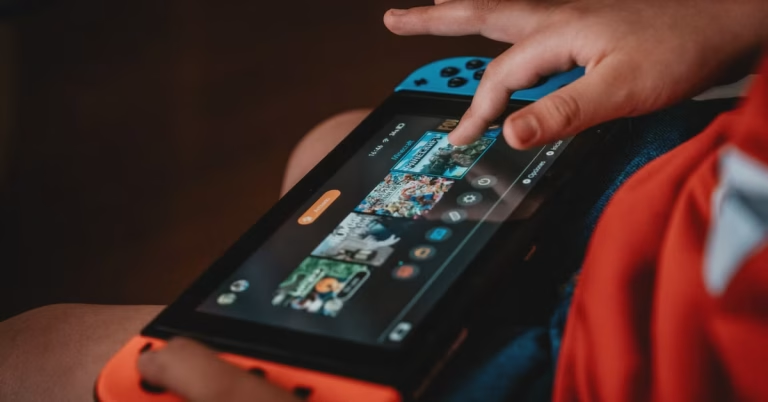
Child aggression immediately after stepping away from an online game is neither a random tantrum nor simple defiance; it stems from complex neurobiological, emotional, and biochemical mechanisms. When a child screams, slams equipment, or exhibits hostile outbursts right after closing a session, their central nervous system is undergoing a severe post-stimulus crash. Below, we break down the physiological underpinnings, psychological triggers, and evidence-based interventions to resolve this behavioral shift.
Neurobiological and Physiological Mechanisms: What Happens Inside the Brain During Gaming?
1. The Dopamine Crash
Competitive digital environments flood neural pathways with frequent micro-rewards, creating artificial hyper-arousal. When the screen goes dark, neurotransmitter synthesis drops precipitously. This neurochemical deficit mimics acute withdrawal symptoms, triggering severe irritability, restlessness, and impulsive behavior.
2. Sympathetic Arousal and Trapped Adrenaline
High-stakes battle royale and competitive titles activate the fight-or-flight response. Surges in cortisol levels and adrenaline elevate heart rates and induce neuromuscular tension. Because the physical body remains stationary while the brain perceives high-threat combat, this surplus kinetic energy lacks an outlet, venting as verbal outbursts, door-slamming, and physical resistance.
3. Temporal Compression and Disorientation
Young players routinely experience time distortion, perceiving a two-hour session as mere minutes. Abruptly terminating gameplay disrupts their cognitive closure process, inducing a state of disorientation and heightened defensiveness against external demands.
Psychological Triggers of Hostility in Competitive Digital Environments
1. Loss Aversion and Sunk Cost Frustration
In ranked competitive modes, a match loss directly strips away hard-earned MMR (Matchmaking Rating) and in-game status. According to behavioral economics and the loss aversion principle, the psychological pain of losing status is twice as intense as the joy of winning it. This acute frustration routinely manifests as externalized hostility toward parents and siblings.
2. Toxic Gaming Culture and Peer Degradation
Unfiltered voice lobbies and competitive team chats expose young minds to continuous harassment, profanity, and blame-shifting. Sustained exposure to toxic communication norms degrades emotional tolerance, leading minors to replicate aggressive communication patterns in real-world family dynamics.
3. Predatory Game Mechanics and Artificial FOMO
Modern live-service titles incorporate dark design patterns such as time-limited battle passes, daily streak bonuses, and scarcity mechanics. The constant Fear of Missing Out (FOMO) keeps the child in a perpetual state of low-grade anxiety, substantially lowering their baseline threshold for frustration.
Normal Emotional Outbursts vs. Screen-Induced Behavioral Dysregulation
| Evaluation Metric | Baseline Frustration | Gaming-Induced Behavioral Outbursts |
|---|---|---|
| Onset Speed | Gradual, with identifiable environmental reasons | Instantaneous, explosive, and disproportionate |
| Somatic Indicators | Minor vocal shifts and frowning | Tremors, pupil dilation, throwing peripherals |
| De-escalation Time | Rapid recovery through dialogue and active listening | Protracted hostility, hyper-fixation, and mutism |
| Collateral Impact | Confined to the specific triggering event | Spills over into academic focus, sleep, and social bonds |
Evidence-Based Interventions and Treatment Protocols
1. The Transition Zone Protocol
Never force-quit a match mid-round or power down a console without runway. Implement a staged notification rule (warnings at 10, 5, and 2 minutes remaining). Immediately post-session, mandate a neutral physiological buffer such as drinking a cold glass of water or washing face with cold water to break the neurochemical lock.
2. Biological Reset via High-Intensity Physical Outlets
Surplus adrenaline must be physically metabolized. Engaging in 10 to 15 minutes of dynamic stretching, jump rope, resistance work, or brisk movement immediately after screen time clears circulating stress biomarkers, accelerating emotional stabilization.
3. Emotional Regulation and Distress Tolerance Training
Instead of reprimanding, acknowledge the neuro-emotional state: “I know dropping that competitive rank is deeply frustrating.” Validating the experience deactivates limbic resistance. Introduce tactical box breathing (4-second inhale, 4-second hold, 4-second exhale, 4-second hold) during peak arousal to re-engage the prefrontal cortex.
Systematic Device Management and the Role of Pinardin
Long-term behavioral rehabilitation requires structured boundaries rather than ongoing domestic arguments. Constant verbal negotiation over device usage fuels household friction. The definitive solution is automating screen boundaries through advanced oversight technology.
Why Pinardin Parental Control Software Is Essential
Pinardin application operates as a robust parental monitoring infrastructure, removing interpersonal conflict by shifting discipline into an objective, automated framework:
- Automated Screen-Time Constraints: Set immutable daily operational caps that lock applications automatically upon expiration, eliminating parental negotiation friction.
- Maturity-Based Application Filtering: Restrict access to titles carrying mature ESRB ratings or predatory, hyper-violent mechanics that promote desensitization.
- Granular Behavioral Analytics: Audit digital consumption patterns and peak engagement hours to pinpoint specific software driving emotional distress.
- Nocturnal Lockouts: Eliminate covert late-night screen access, protecting essential REM sleep cycles and cognitive stability.
Integrating Pinardin replaces subjective disputes with reliable technical boundaries, allowing parents to guide healthy digital habits constructively.
Clinical Warning Signs: When to Seek Professional Intervention
If behavioral escalation persists despite automated limits and environmental adjustments, consult a pediatric behavioral psychologist upon observing:
- Physical self-harm, assaults against family members, or deliberate property damage.
- Steep academic decline combined with persistent school avoidance.
- Compulsive lying, covert access, or unauthorized financial transactions for microtransactions.
- Total replacement of real-world relationships with online identities and acute social isolation.
- Somatic symptoms, including chronic tension headaches, motor tics, and severe sleep disturbances.
Final Thoughts: Child Aggression After Online game
Remediating screen-related dysregulation requires addressing the underlying biological state rather than relying on punitive measures. Effectively managing child aggression fueled by an online game depends on regulating dopamine recovery, teaching actionable self-soothing skills, and utilizing automated oversight platforms to restore equilibrium to the home environment.